
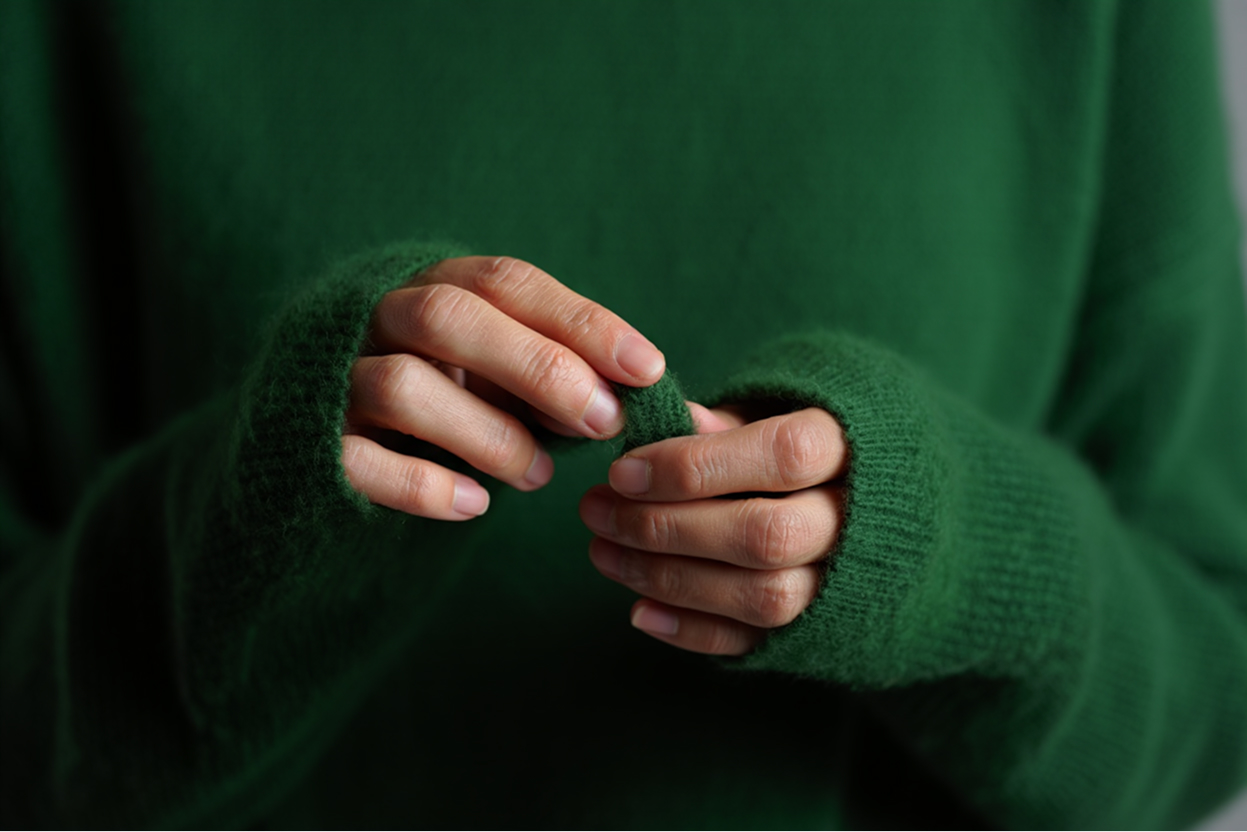
Have you ever wondered why some sweaters feel like a cloud while others are scratchy and uncomfortable? The softness of knitwear isn’t just about luxury—it’s a fascinating combination of fiber choice, processing techniques, and construction methods.
Fiber Matters Most
The foundation of any soft knit starts with the fiber itself. Natural fibers like merino wool, cashmere, and alpaca are prized for their inherent softness due to their fine fiber diameter. Cashmere, for instance, has fibers measuring just 14-19 microns in diameter—significantly finer than regular wool at 25-35 microns. The finer the fiber, the softer it feels against your skin.
Cotton can also be incredibly soft, especially long-staple varieties like Pima and Egyptian cotton. These longer fibers create smoother yarns with fewer protruding ends that might cause irritation.
Processing Makes the Difference
Even the finest fibers need proper processing to reach their full softness potential. Combing removes shorter, coarser fibers and aligns the remaining ones, creating a smoother yarn. Many manufacturers also use enzymatic treatments or stone washing to break down rougher outer layers and enhance hand feel.
The spinning process matters too. Ring-spun yarns, where fibers are twisted together tightly, generally feel softer and more durable than open-end spun alternatives. The twist level also affects softness—too much twist creates a rope-like, stiffer feel, while the right amount creates a balanced, soft texture.
Knit Construction and Gauge
How a garment is knitted plays a surprising role in its softness. Looser gauge knits with more air between stitches tend to feel softer and more drapey than tightly packed ones. The stitch pattern matters too—stockinette stitch generally feels smoother than heavily textured patterns.
Finishing Touches
After knitting, garments often undergo finishing treatments that dramatically improve softness. Brushing raises tiny fibers on the surface, creating a fuzzy, soft hand feel. Steaming relaxes the fibers and opens up the knit structure. Some manufacturers use fabric softeners or silicone-based treatments, though these can wash out over time.
Blends: The Best of Both Worlds
Many of today’s softest knits use fiber blends that combine the best properties of different materials. A merino-silk blend might offer wool’s warmth with silk’s luxurious smoothness. Cashmere blended with a bit of nylon adds durability without sacrificing softness.
The Age Factor
Interestingly, some knits actually get softer with age and proper care. Natural fibers can relax and bloom after washing, while the mechanical action of wearing and gentle washing can slightly abrade harsh fibers, making them feel softer over time.
Understanding what makes knits soft helps you make better purchasing decisions and appreciate the craftsmanship behind truly luxurious knitwear. Next time you slip on a perfectly soft sweater, you’ll know exactly why it feels so good.



Leave a Reply