Color is more than just aesthetics—it’s what makes a garment feel uniquely yours. The process of dyeing knitwear is a delicate balance of chemistry, timing, and craftsmanship. Let’s pull back the curtain on how we transform natural fibers into the rich, lasting colors you love.
Starting with the Right Foundation
The dyeing journey begins long before color ever touches fiber. We carefully prepare our yarns through scouring, a process that removes natural oils, dirt, and any residual processing chemicals. Clean fiber accepts dye more evenly, resulting in consistent, vibrant color without blotchiness or streaking.
The type of fiber also determines our dyeing approach. Protein fibers like wool and cashmere require acid dyes, while cellulose fibers like cotton need reactive dyes. Each fiber type has an optimal temperature range and pH level for dye absorption—get it wrong, and colors can turn out muddy or fade quickly.
The Art of Color Matching
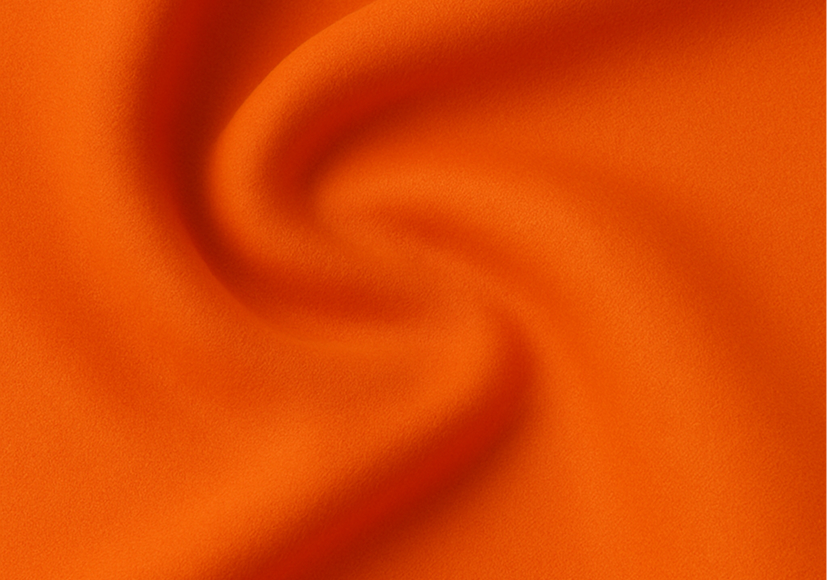
Creating the perfect shade isn’t as simple as mixing paint. Our colorists work with precision scales and detailed formulas, often blending multiple dye colors to achieve a single final hue. That perfect rust orange might actually contain red, yellow, brown, and even a touch of blue to add depth and richness.
We create small test batches first, dyeing sample skeins and evaluating them under different lighting conditions. Natural daylight, fluorescent office lighting, and warm home lighting can all make colors appear different, so we ensure our shades look beautiful in every setting.
The Dyeing Process
Most of our dyeing happens in specialized vats where temperature, time, and dye concentration are carefully controlled. The fiber is gently circulated through the dye bath to ensure even penetration. This isn’t a quick dip—proper dyeing can take several hours as the fiber gradually absorbs the color molecules.
Temperature plays a crucial role. We slowly raise the water temperature to open up the fiber’s structure, allowing dye molecules to penetrate deeply. Rush this process, and you’ll get surface-level color that fades quickly. The fiber is then cooled gradually to lock in the color permanently.
Rinsing and Setting
After dyeing, thorough rinsing removes any excess dye that didn’t bond to the fiber. This step is critical for colorfastness—improperly rinsed garments can bleed color onto other items or fade prematurely. We rinse until the water runs completely clear, sometimes adding a mild acid or fixative to set the color permanently.
Small-Batch Quality
We often dye in small batches to maintain quality control and reduce waste. This means slight variations can occur between dye lots, which is why we recommend ordering all the yarn or garments you need for a project at once. These subtle differences are a hallmark of quality dyeing—they show that human hands and careful attention were involved.
Environmental Considerations
Modern dyeing has come a long way in reducing environmental impact. We use low-impact dyes that require less water and energy, and our wastewater is carefully treated before being released. Many of our dyes are certified non-toxic and free from heavy metals.
The result of all this care and precision? Garments with rich, lasting color that won’t fade to gray after a few washes. Every sweater tells the story of patient craftsmanship and attention to detail from start to finish.



Leave a Reply